What a visitor to the Top End requires in the way of crocodile safety is not complicated. Heed all warning signs, give the water’s edge a wide berth and do not make a swimming hole of a placid billabong. One should proceed on the basis that any natural waterway has crocodiles in it. This is as true in the rivers and creeks of Darwin and Kakadu National Park as it is out at a remote bush camp.
Oliver Hughes here. I put together practical travel advice for those who prefer to have a good time on their travels rather than be the subject of an emergency report one could have done without. The Top End is well worth the trouble for the sensible sort of traveller, yet it will not put up with casualness near the water. A croc may appear to be little more than decoration, motionless and off in the distance; people are apt to get in over their heads when they think so.
The Risk In The Top End
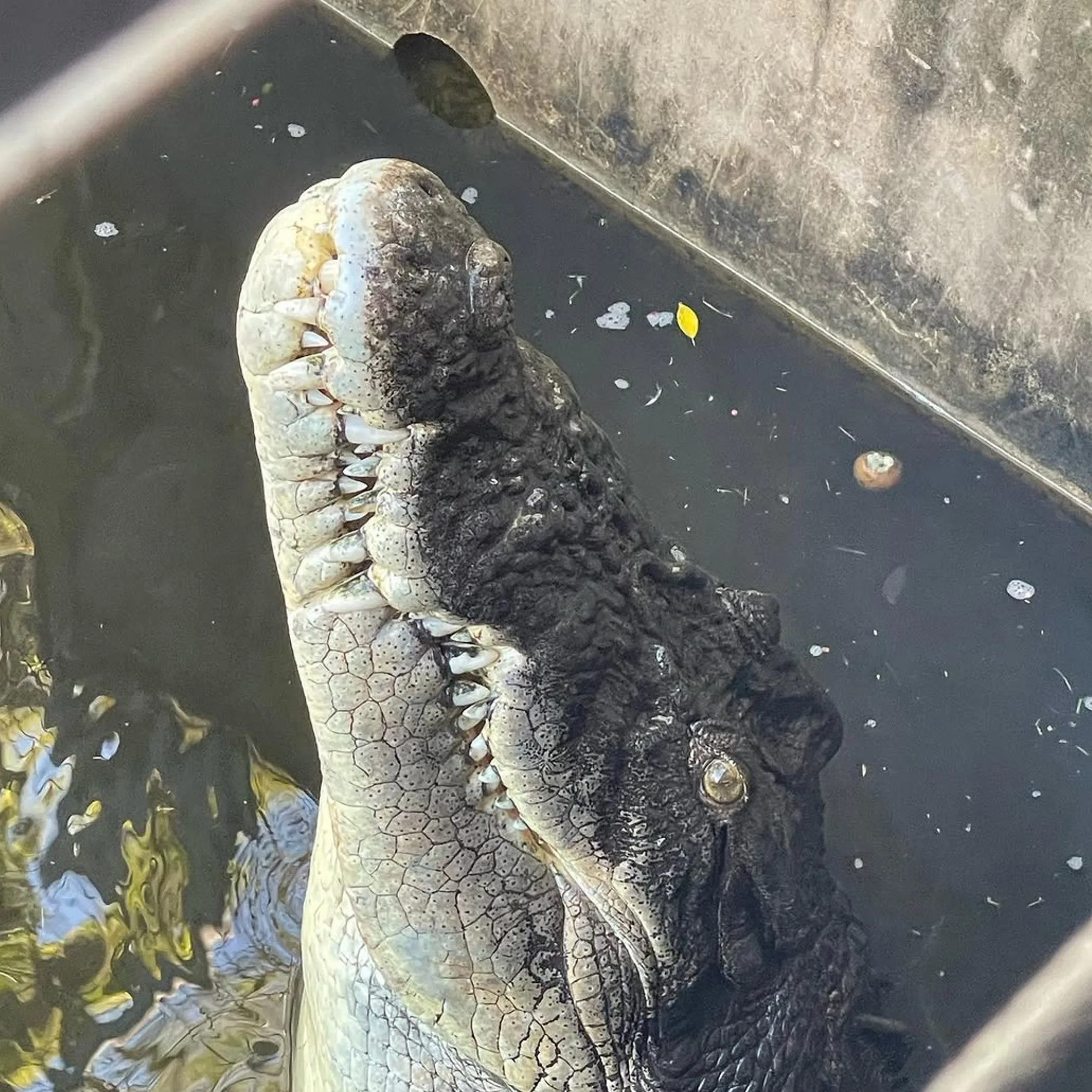
You are in saltwater crocodile country in the Northern Territory. For a closer look, consider Darwin crocodile farm visits. These estuarine crocodiles inhabit the coast and will put in an appearance in wetlands, floodplains, creeks and rivers. There are freshwater crocodiles in the region too, but the name does not imply you can swim by them in safety.
A measure of good crocodile safety is to recognise that their habitat is often unremarkable. You might find a crocodile on a muddy bank or a flat spot next to a billabong, or at a shaded creek crossing. It is not necessary for the water to be deep or look wild.
The Main Rule Of Thumb
Unless an authority has made clear that a certain area is safe for swimming, assume there are crocodiles. And if they have, use the place as directed. Do not be lured into venturing outside the marked zone because the water seems more inviting or quiet.
For the latest word before you head into the bush, the NT Government’s official guidance is what you want: official Northern Territory crocodile safety advice.
Croc Habitat Is Everywhere
One is asked from time to time if a given billabong or creek is home to crocodiles. If you have no reason from a reliable local to think not, then yes, consider it so. They move about, so a recent sighting is hardly the only indication.
Travellers in the NT would do well to bear this in mind. While warning signs denote risk, a lack of one is no guarantee. In the back country signage can be sparse or in disrepair, or a person with his eye on a map might not see it.
Mind The Edge
Especially after dark or where the banks are steep and muddy, keep your distance. Kneel not to fill a container, nor wash dishes at the edge, and leave your feet on solid ground. Such habits put you in the line of fire.
Have the children within reach and a short lead on the pets. A dog in the water will draw a crocodile’s eye and a child is unlikely to appreciate the perils of a still pool. In the bush “just for a second” is not a good policy.
How Close Is Close Enough?
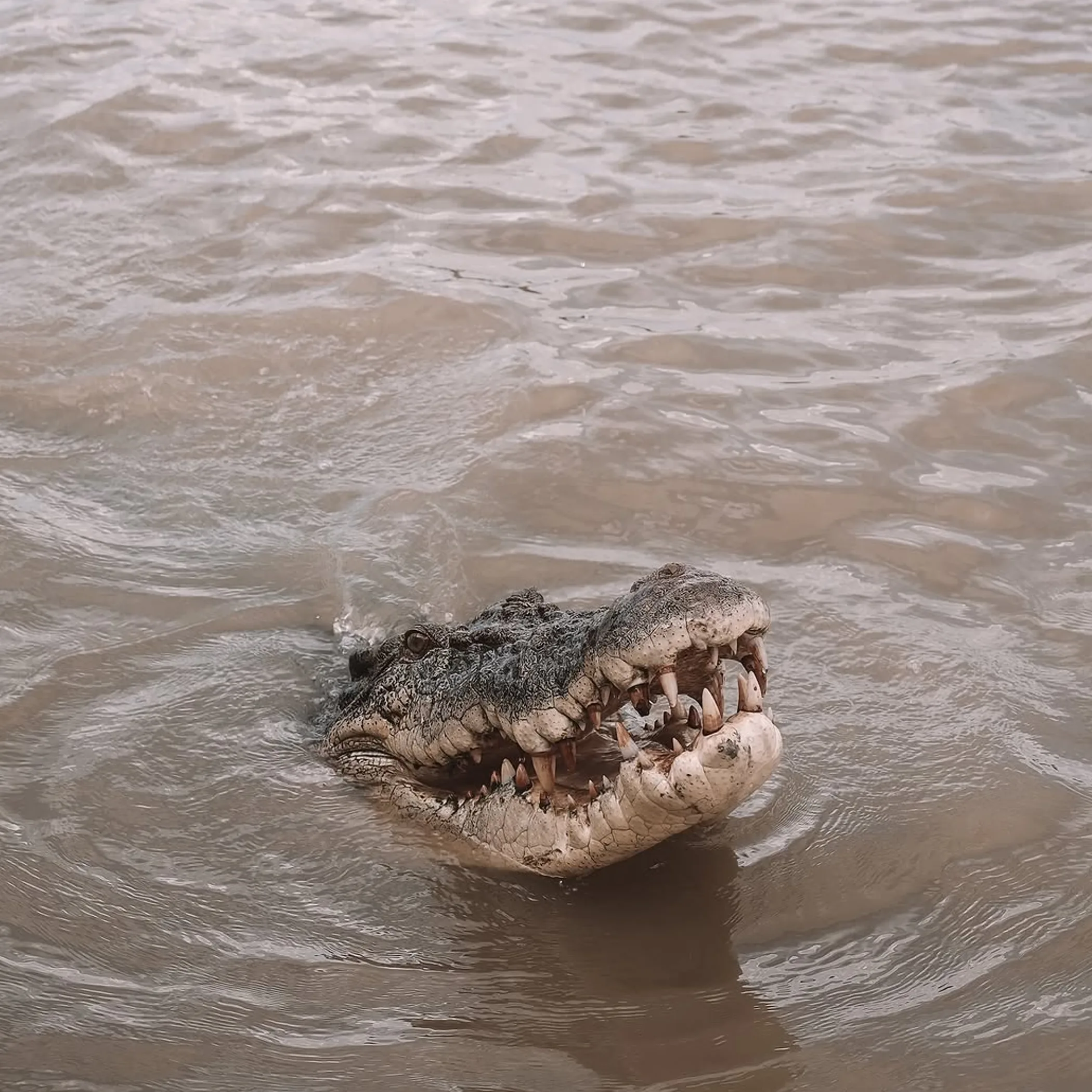
No set distance can be said to render a riverbank safe; it depends on the tide, the slope, vegetation and the like. Stay as far away as you can and abide by any barriers or ranger instructions.
Do not think you must see a crocodile to be in proximity to one. They can lie in wait in shallow water, indistinguishable from the mud. A level bank is in some ways worse than a dramatic one for it puts people at ease.
Where People Err
It is a misconception that the danger is confined to the shoreline. Crocodiles will come across a mudflat or through flooded ground. With the wet season the water covers what was dry before and the landscape is altered.
Then there is the error of following the crowd. Someone fishing or taking pictures of birds by a creek is not making the spot safe, he is just making the same mistake as everyone else.
Swim At Your Own Risk
Sightseeing is one thing, wading and swimming call for more caution. Only do so where the area is approved for it and current local advice is in order. Rivers, creeks and billabongs are part of the landscape, as are flood channels and coastal water.
But do not be taken in by the appearance of fresh, weed-free or clear water and go in. Nor should one put a hand or foot in to make sure of it. There is no need for bravery at a crocodile warning sign; it is there to tell you to turn back.
Facilities are better than guesswork
If you want to have a swim in the Darwin area, head to a designated, managed spot and see what is closed before you set off. One does not know how conditions will be after a storm, some flooding, heavy rain or a croc has been seen. For up to date information consult Parks Australia, a ranger, the NT Government or your accommodation, do not put stock in an old post on social media.
Then there is the matter of saltwater crocodile safety: eschew any water activity at night, dawn or dusk. With the light fading you will not be able to judge distance or spot movement along the bank. The mozzies can be as they like, that is no excuse to be at the water’s edge in the dark.
Camping at night made safer
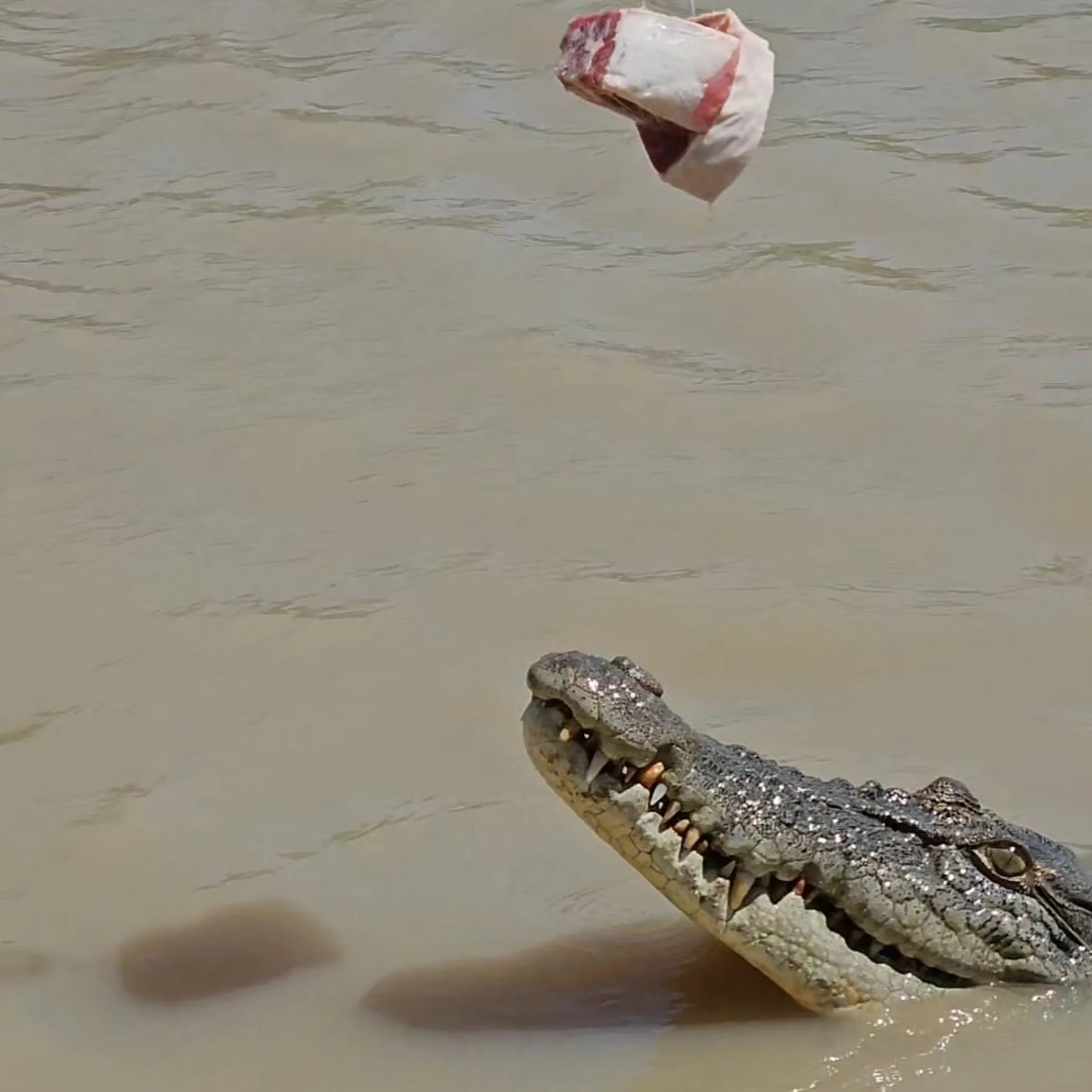
It is all about the placement of your equipment, food and people. Put some distance between the camp and the waterway, use an established site if you can and make use of the park’s barriers. Do not reposition for a better vantage point from the tent.
See that fish scraps and bait are put away. Leave cleaning the fish and discarding of leftovers to somewhere other than the edge of the campsite or the water itself. A lax approach to food can leave a risk in its wake once you have packed up and draw in wildlife.
A checklist for camp
- Before you put anything down, have a look at the park alerts, ranger notices and any crocodile warnings.
- Children and pets are to be kept from the water, in daylight as well.
- Put food and bait where it is secure and waste is to be disposed of properly.
- After dark a torch is called for but do not go investigating any movement or reflected eyes.
- And do not be washing or cleaning your cooking gear next to a natural waterway.
There is something classic about camping beside a river but in crocodile country it is a poor choice of site. You will get more out of a few minutes finding open, higher ground than a striking picture of your tent.
Boating and fishing
These are not swimming but you are still in close quarters with crocodile habitat. An angler would do well to keep hands and feet in the boat and not stand at the edge, and never put out bait or remains where a croc can have at them.
For the boater, heed local advice on navigation and be circumspect when you are tying up, landing or launching. Reaching overboard is to be avoided. More often than not the danger is in putting a foot on a muddy bank rather than in the middle of the river.
Make allowances for conditions
The wet season can put an end to access in a hurry with tides and river levels; roads will flood and tracks turn to rough guts, boat ramps may be out of order. In the dry, low water has a way of concentrating the wildlife and the people in the channels left, and the heat will bring on fatigue and dehydration.
Have the drinking water and recovery gear to suit your route, and communications at hand. A four-wheel drive or hire car is no substitute for knowing the territory. Road conditions and permits should be checked first, in Kakadu National Park for instance, or anywhere Aboriginal land access is needed.
Heed the rangers and the signs
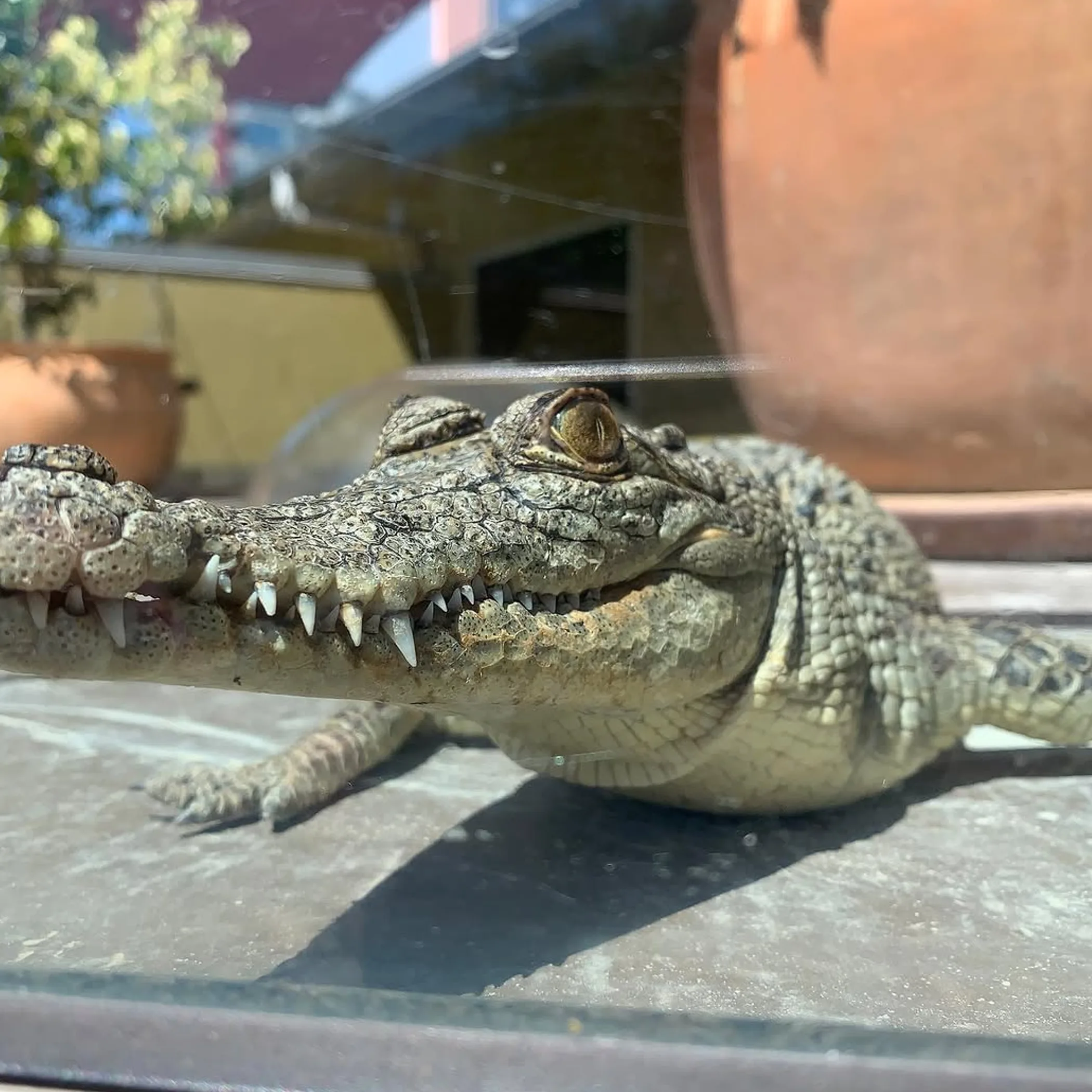
To the Northern Territory visitor a crocodile warning by the waterway is an instruction, plain and simple. It might be against camping, fishing or even coming near the bank. Do not think it is for those in the water only and ignore a closure or go past a barrier.
Rangers and the like have seen patterns in their time that a short-term visitor has not. They will have reason for their advice, be it recent sightings, road damage or a temporary closure. So take it on board even if the water is as flat as a pancake.
When you come across a crocodile
Put some space between yourself and the water in a calm manner. Feeding it or throwing things to make it move is not the answer, nor is getting close for a photo. Unusual behaviour or one in a public place should be put to the NT Government service or the park authority.
Should it come at you on land, get further from the water and ask for assistance. Running to the bank or trying to handle a small one is not wise. Small crocs have a way of growing up, and so do bad ideas.
Expect Wet Season Changes
More than the weather is at the mercy of the wet season. Cyclones, flooding and hard rain have a way of putting an end to access in parks or rendering river crossings, tracks and roads as well as viewing areas unpassable. Northern Australia sees its share of storms between November and April; one would do well to heed any bushfire or flood closures and look at the alerts prior to making a trip.
Roads are more accessible and the outdoors less of a variable in the dry season, yet crocodiles are still a risk. They are in their element in waterways all year round. Do not mistake a popular spot for a safe place to stray from the path.
Seasonal Planning Table
| Condition | What Changes | Safer Choice |
|---|---|---|
| Wet season | Flooding, storms, visibility issues and access problems | Postpone anything exposed in severe weather, steer clear of flooded crossings and check on closures |
| Dry season | Roads are predictable but afternoons run hot and visitor sites get crowded | An early start is best, as is having water with you and staying put on marked platforms behind barriers |
| Dawn, dusk or night | Banks and boat ramps are hard to see | Stick to approved managed facilities and eschew natural-water activity |
| Remote bush travel | You will be without reception, services or help at hand | Make sure to leave your itinerary, have communications gear and get local advice before you go |
Some may quote a “safe month” statistic but it does not make a natural waterway a swimming pool. The only figure that matters in a personal plan is zero superfluous visits to an unapproved water edge.
View Crocodiles Without Risk
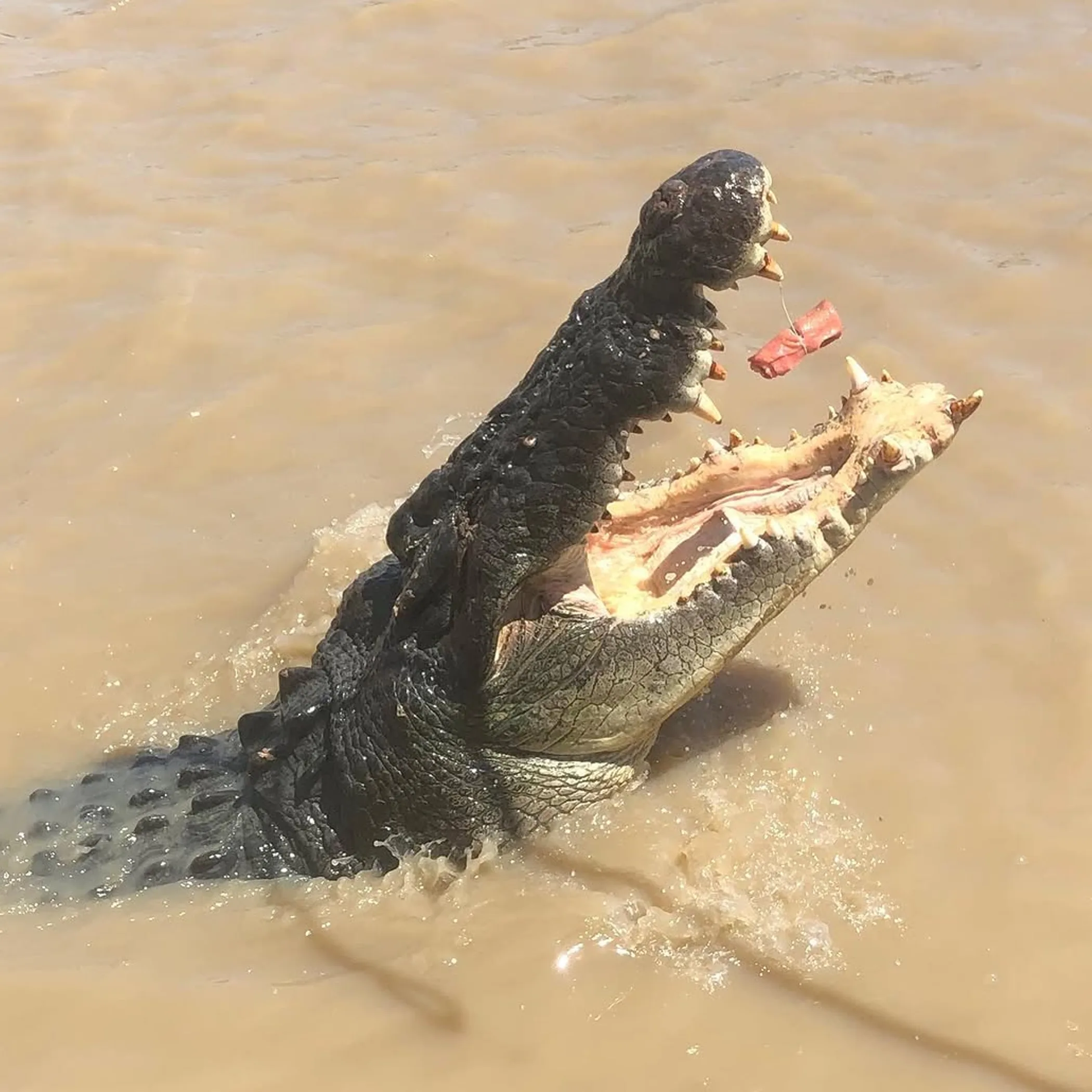
For the Darwin visitor there are official wildlife tours, elevated platforms and other managed areas where crocodiles can be seen safely. There is no need to put yourself in their habitat to stage an encounter for social media.
Yellow Water Wetlands and Cahills Crossing in Kakadu National Park are among the better known places for wildlife, but access is not guaranteed and conditions vary. Parks Australia will have the latest on this. Observe from the designated area and do not go near the water at a crossing or impede traffic in disregard of what is asked of you.
Choose The Right Experience
An official tour is the way to go for a controlled environment and some interpretation from an experienced guide. It also caters to those who do not have the right vehicle for the remote roads or would rather not drive them. Prices and what is included are subject to the operator and the season so make certain of the terms, meeting point and cost when you book.
With just a day to spare, a guided wetlands tour or something close to Darwin is preferable to an over-ambitious schedule that has you rushing from Darwin to Kakadu and back. Factor in the heat, road conditions and toilet breaks. A full itinerary is no substitute for safety.
Use A Simple Day Plan
Start the day by looking over the weather, park and crocodile notices and checking on road access. Pick a main viewing area and allow ample time to get back before the light fails or a storm puts you in a position of pressure. Have your food and water.
- Before you set out, review the official warnings and access conditions.
- Opt for a designated spot or a tour.
- Keep your distance from the water, remaining behind the barriers.
- Do not let the elements or your own weariness cloud your judgement; be gone before the heat, darkness, fatigue or a turn in the weather can do so.
For the family, the photographer, the traveller in search of wildlife and those making their first visit, this plan is ideal as it eschews any needless risk. One should not be putting together an ad hoc excursion on some remote waterway unless there are ample supplies, dependable transport and communications at hand and local counsel to be had.
Expectation Versus Reality
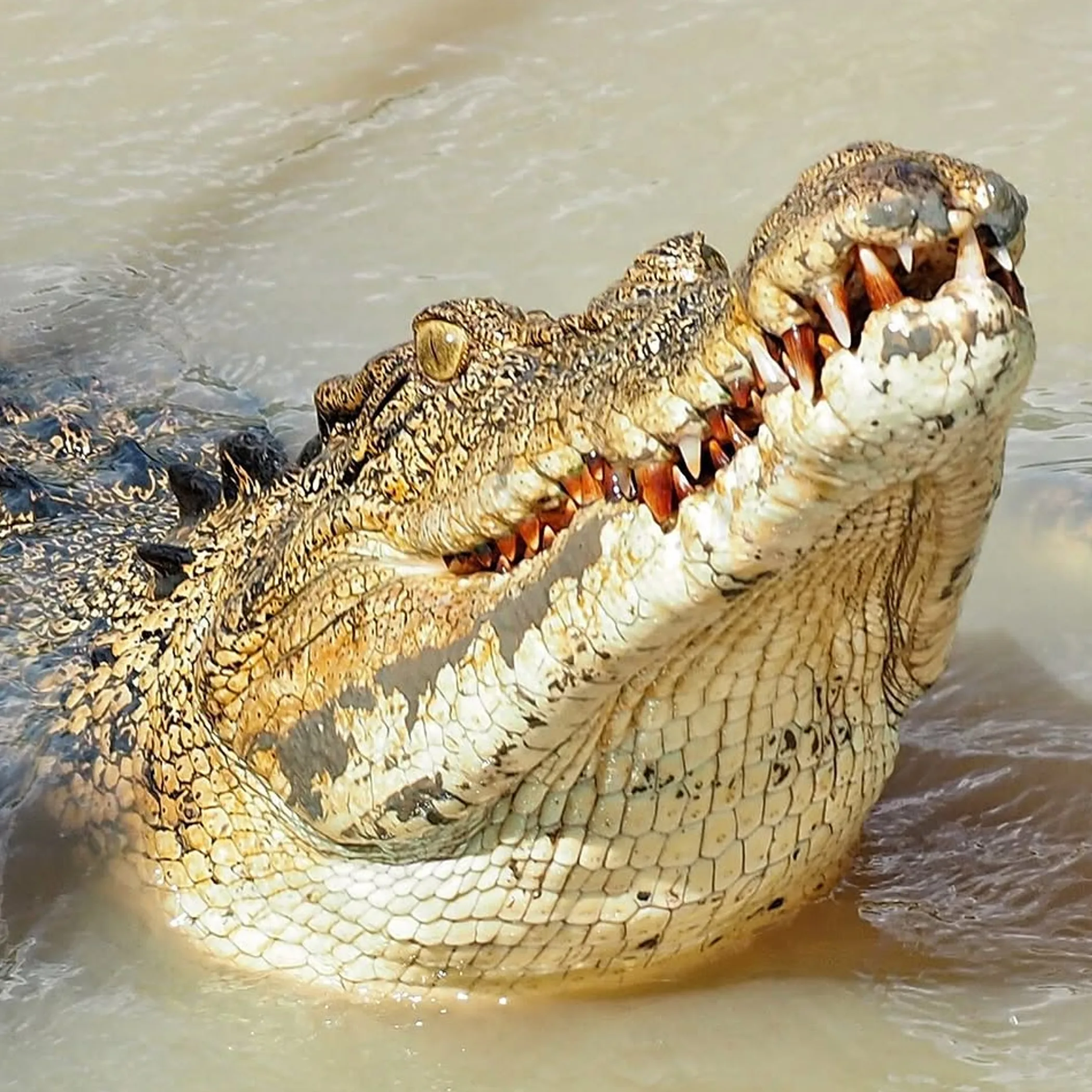
Expectation: The expectation is that a crocodile will make itself known if close by. Reality: In reality they are hard to spot in low light, under cover of vegetation and in the shade or mud.
Expectation: One might think a placid swimming hole is safe enough. Reality: The truth is the quiet water could well be an unmonitored part of a crocodile’s domain.
Expectation: It is tempting to believe a small crocodile is no trouble. Reality: But size is no test of safety and to go near one is to invite risk.
Expectation: As for other visitors, the assumption is they know what they are about. Reality: Travellers have a way of emulating each other, even when the instigator has erred.
Frequently Asked Questions
How Do I Stay Safe From Crocodiles?
Treat any natural waterway as if it were home to a crocodile. Heed the signs and keep a good distance from the edge. Do not wade or swim where you are not meant to, put away fish scraps and food and do as rangers or operators say. Make sure pets and children are at hand and steer clear of banks at night and around dawn and dusk.
Are There Crocodiles In The Northern Territory?
There are. Saltwater varieties are to be found in much of the Top End of the Northern Territory, in coastal waters, creeks, rivers and wetlands. Freshwater crocodiles are also in evidence. Crocodiles will move between connected waterways so check with locals for the latest word.
Where Are Crocodiles Found?
In estuaries, rivers, billabongs, floodplains and coastal waters. They will also put in an appearance in areas subject to tides, seasonal rain or flooding. Do not be led to think a place is secure because the water is clear or others are there or you have not seen one of late.
What Should I Do Around Crocodile Warning Signs?
Read the sign and act accordingly. If it says no, then do not cross the barrier, put out a boat, camp or come near the water to fish or swim. Any ambiguity and you should put some distance between yourself and the water and get some direction from a ranger.
Are Darwin Crocodile Farm Visits Safe?
With staff and barriers in place and proper procedures, the viewing at these attractions is controlled. But do not take it as licence to get up close to a crocodile; it is a structured experience. Remain in public view and see to the operator’s instructions. Under no circumstances should one handle or feed the animals unless there is an official overseer.
Take The Safe Option
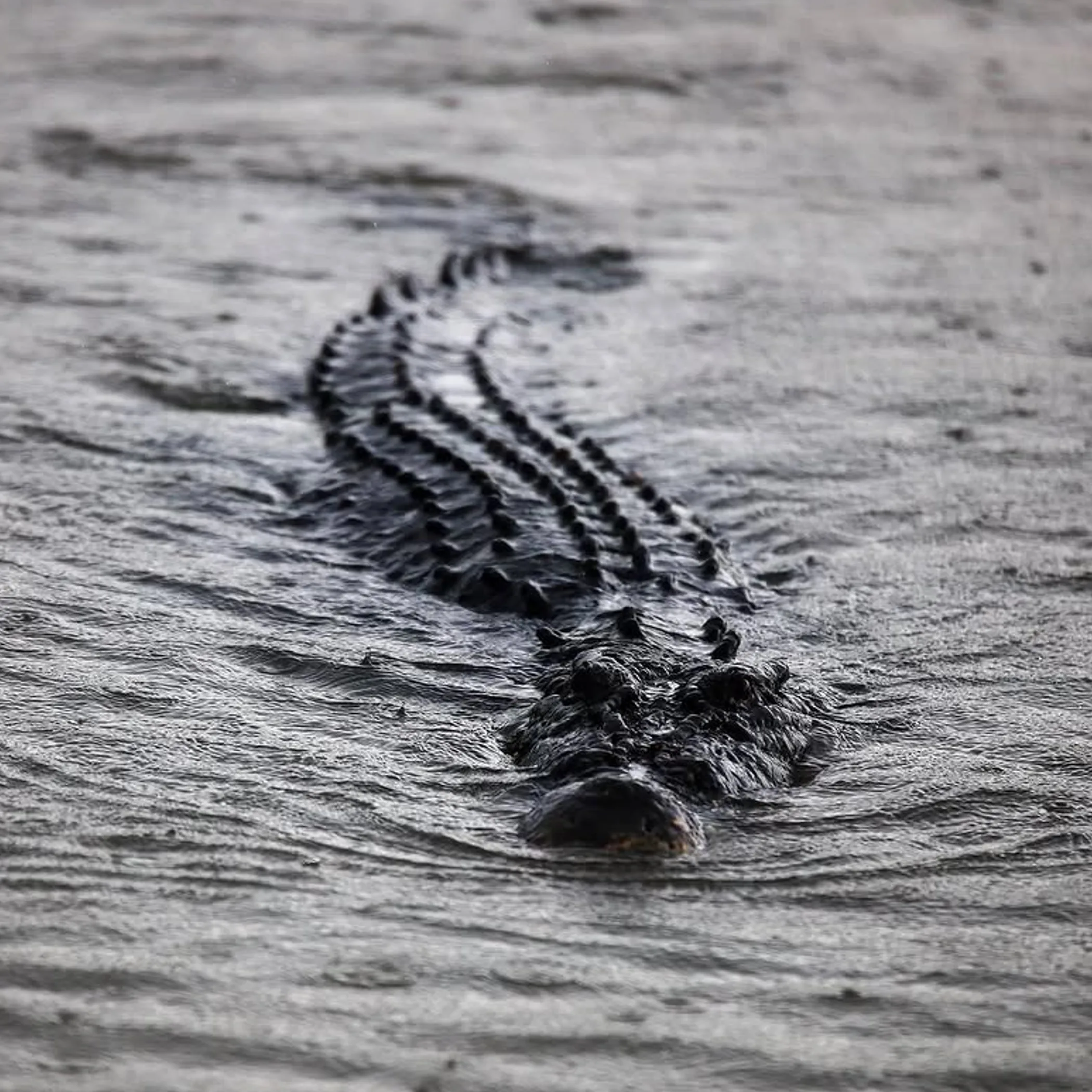
There is nothing complicated about being safe with crocodiles in the Top End, only a matter of discipline. Use the areas put aside for viewing and swimming, respect the weather and the rangers and the signs, and be under no illusion as to the presence of crocs.
A well planned trip means you can be croc-wise and have the Northern Territory to itself while you are there. That is how you have a wildlife encounter to remember with fine photographs to show for it, dry socks and without having to call in an emergency chopper.